The Hell I Won’t Western Retro Cowgirl: A Bold Design for Real Projects
As a designer who’s worked with countless machine embroidery designs, I’ve learned to quickly assess whether a design will translate well from the screen to the final product. The moment I opened up The Hell I Won’t Western Retro Cowgirl, I knew it had a strong visual personality — one that screams confidence and nostalgia all at once. With its 9.3” x 8.2” size and two PNG options (Straight and Tapered), this design is clearly intended for larger-scale applications where impact matters. Let me walk you through how it performed in my test project and what considerations you should keep in mind if you’re planning to use it in your own embroidery projects.
First Impressions and Visual Personality
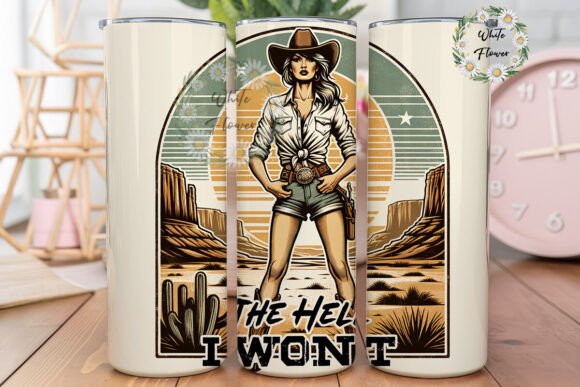
The cowgirl theme of The Hell I Won’t Western Retro Cowgirl immediately caught my eye. It has a vintage, bold look with clean lines and a stylized, almost cartoonish figure. The retro aesthetic makes it feel like something pulled from an old Wild West movie poster or a classic denim jacket. The layout is centered and not seamless, which tells me it’s best suited for items where the design sits in the middle and doesn’t need to wrap around edges.
What stood out was the detail level — just enough to add character without overwhelming the viewer. There are clear silhouettes, some subtle shading, and a few decorative elements that give it a handcrafted vibe. This kind of visual depth works well for handmade products and personalized gifts, especially when paired with quality thread and fabric choices.
Real-Life Embroidery Use Case: Custom Sweatshirt Project
To put The Hell I Won’t Western Retro Cowgirl to the test, I chose a custom sweatshirt as my real-world application. These types of projects are common among Etsy sellers and craft business owners looking to offer unique, statement pieces. I sized the design using Adobe Illustrator to maintain clarity and resolution (it's a 300 DPI PNG file, so there's room to work). After transferring the design to my embroidery software, I mapped out the stitch areas and adjusted for stabilizer and hoop size.
For the sweatshirt, I used a cotton-polyester blend — a good middle ground between stretchy and stable fabrics. The design stitched cleanly, with the main figure standing out thanks to a mix of satin stitch and fill stitch. The straight version worked better on this flat surface than the tapered one, which is more suited for curved surfaces like tumbler wraps or caps. I noticed that the corners and finer details required extra attention during setup to ensure they didn’t distort under tension.
Customer reactions were positive. The design felt both edgy and playful, making it a hit with those who love western motifs and retro flair. It added a sense of professionalism to the finished product, which is key for small shop merchandise and boutique branding.
Where This Design Shines
- Tote Bag Design: Large-format bags are perfect for this design. The cowgirl image becomes the focal point, ideal for a handmade product sold at craft fairs or online shops.
- Sweatshirt Embroidery: Especially on front panels, the design adds a strong visual punch. Just make sure the fabric can handle moderate stitch density.
- Embroidered Patch: If you’re creating a patch with a similar scale, the design maintains its shape and readability. It’s great for adding a touch of personality to jackets or jeans.
- Holiday Gifts: For a festive yet western-themed item, like a holiday pillow cover or apron, this design brings a nostalgic charm that customers love.
- Digital Embroidery File Use: As a graphics-based embroidery file, it fits well into printable mockups for digital product previews, helping buyers visualize the final look before purchasing.
When to Proceed with Caution
While The Hell I Won’t Western Retro Cowgirl looks fantastic in many contexts, there are a few places where it might not be the best fit. Here are some practical notes based on my experience:
- Small Hoop Sizes: At 9.3” wide, this design isn’t suitable for small hoops unless you significantly downsize it — but that could compromise the detail.
- Stretchy or Thin Fabrics: Without careful stabilizing, the design may pucker or lose definition. Cotton blends or quilting cotton are safer bets.
- Dark Fabric Backgrounds: The default colors may not stand out well. Always test thread color contrast on your chosen material to avoid a muddy finish.
- Curved Surfaces: The tapered version is meant for these, but even then, I recommend testing on a scrap piece first to see how the design holds up on a cap or tumbler wrap.
- Frequent Wash Items: Because of the potential for stitch density and coverage, consider using heavier-weight fabric or reinforcing areas prone to wear, like baby clothes or kitchen towels.
Design Impact and Brand Value
This design elevates the visual appeal of any project it's applied to. The cowgirl motif carries a sense of strength and individuality, which can resonate strongly with customers seeking meaningful or expressive personalized gifts. In terms of product value, it adds a premium feel — perfect for niche markets or handmade shop owners aiming to increase perceived worth.
I also found that the design supports brand consistency if you're working within a western or retro theme. Its boldness helps with design recognition, so it can become a signature element in your collection of embroidery project assets. From a commercial embroidery standpoint, it’s versatile enough to adapt across different product lines while still feeling cohesive.
Designer Tips for Optimal Results
- Test on Scrap Fabric First: Before stitching onto a final product, always do a trial run. This helps catch issues with stabilizer type, thread colors, and stitch density.
- Check Thread Color Contrast: Especially important on dark or textured materials. You might want to adjust the palette for better visibility.
- Review Stitch Density: Dense areas may require a tear-away or cut-away stabilizer to prevent distortion. Lighter densities work well on softer goods like pillow covers or tea towels.
- Confirm Hoop Size: Since no specific hoop size is given, double-check your machine’s capabilities and adjust accordingly.
- Inspect Small Details: The cowgirl’s facial features and smaller embellishments may not render perfectly if not handled with care. Ensure your machine can manage them.
- Test in Black and White Mockups: To verify that the design remains legible even if printed in grayscale or viewed on a low-resolution screen.
- Compare Light and Dark Fabrics: The design’s vibrancy depends heavily on background tone. Try it on both to see which gives the most striking result.
- Use Proper Stabilizer: Depending on your fabric choice, opt for a stabilizer that complements the weight and texture. Too little support = too much distortion.
- Check Licensing Terms: If you plan to sell finished products or digital embroidery files, confirm whether the design allows commercial use. Some freebies have restrictions!
Final Thoughts for Creative Makers and Business Owners
The Hell I Won’t Western Retro Cowgirl is a standout in the world of Western-style embroidery. It balances boldness with simplicity and offers a clear visual identity that can boost buyer engagement and giftability. Whether you're an embroidery designer crafting custom apparel or an apparel decorator looking to elevate your Etsy listings, this design brings a fresh take on a classic theme.
However, don’t let the digital preview fool you. Pay close attention to how it interacts with your chosen materials and setup. The right stabilizer, fabric, and thread combination can make all the difference in how the final product looks and feels. When done right, though, this design can become a valuable asset in your portfolio of handmade products and custom apparel offerings.
If you're considering using it on tumbler wraps or other graphics-based items, the tapered option provides a nice fit. But again, test it first to ensure alignment and seamlessness — even if the design itself isn’t labeled as such.
In short, The Hell I Won’t Western Retro Cowgirl is a powerful visual tool when used thoughtfully. It speaks to the adventurous spirit of your customer base and adds a professional edge to your embroidery project outcomes. Just remember to treat it with the same care and consideration you’d apply to any high-impact design asset in your creative toolkit.