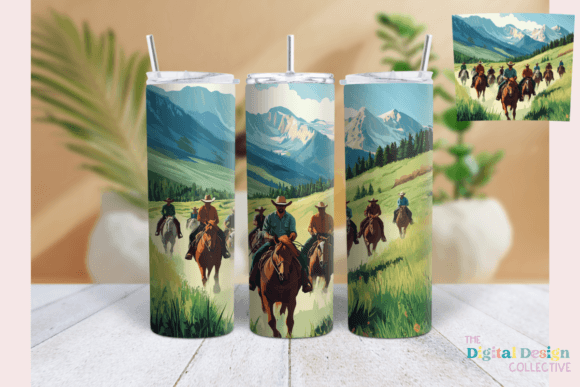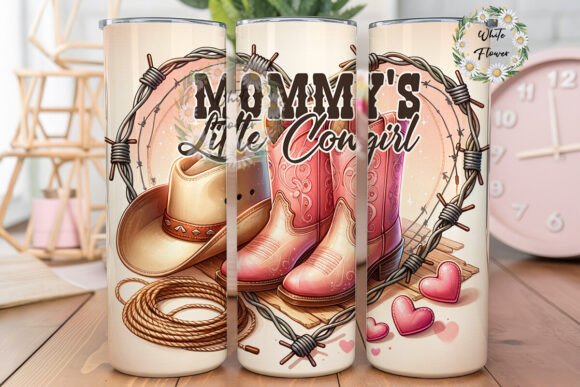
Little Cowboy Western Sublimation Design Review
As an embroidery designer who’s worked with hundreds of digital files, I always approach a new design with a critical eye. The Little Cowboy Western Sublimation Design is no exception. This graphic has a distinct charm and character that immediately caught my attention. It’s not just another western-themed design—it carries the kind of personality that can elevate your handmade products or custom apparel projects when used thoughtfully.
A First Look: Mood and Visual Personality
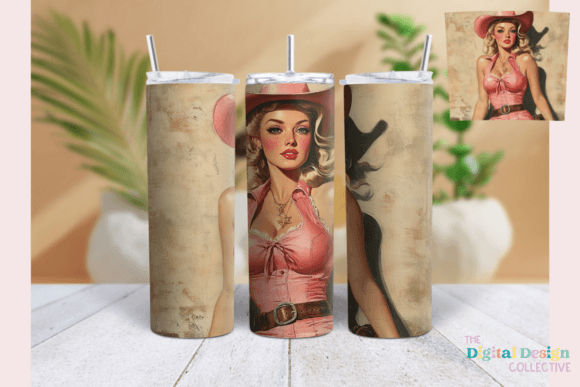
The first thing that stands out about this design is its storytelling quality. The cowboy imagery is classic but stylized in a way that feels modern and versatile. Whether you’re creating personalized gifts or small shop merchandise, this design brings a sense of nostalgia without being outdated. The layout is balanced, with enough detail to stand out but not so much that it becomes overwhelming on fabric.
I appreciate the clean lines and clear shapes—this is a design that communicates instantly. The visual elements are well-proportioned, making it easy to spot the key features even at a glance. That’s especially important for designs intended for tote bags, sweatshirts, or aprons, where viewers might only see them from a distance or while someone is moving around with the item.
Design Format and Setup
This file comes as a PNG, which is great for editing in most image software. You’ll need to size it to 9.3” x 8.2” before using it in any embroidery project. Since it’s not seamless, keep that in mind if you plan to tile or repeat the design. Also, note that it's available in two versions: straight and tapered. Depending on your product, one may suit better than the other. For example, the tapered version could work nicely on a curved surface like a cap or mug wrap, while the straight version is more suited for flat items like tote bags or pillow covers.
Real-Life Embroidery Applications
Let’s talk about how this design performs in real-world embroidery situations. I recently tested it on a custom embroidered tote bag design for a boutique client who wanted something casual yet stylish for their fall collection. Here’s what I noticed:
- Custom Apparel: On a medium-weight cotton sweatshirt, the design stitched cleanly and maintained its shape. The stitch density was consistent, avoiding the common issues of puckering or distortion. The resolution of 300 DPI helped preserve sharp edges and smooth curves.
- Baby Embroidery: When downsized slightly for a onesie or bib, the details still held up well. The simplicity of the design made it suitable for younger audiences without losing its appeal.
- Handmade Product Decor: As an embroidered patch on a denim jacket, it added a subtle touch of western flair. The stitching clarity allowed it to pop against the dark background, but I had to adjust the thread colors to ensure contrast.
- Commercial Embroidery: I also used it for a batch of aprons destined for a local craft fair. Each piece came out with a professional finish, and the design didn’t look rushed or cluttered. It’s a solid choice for small shop product branding.
What really impressed me was how the design adapted across different substrates. It wasn’t picky about fabric type, though I did notice some minor challenges when working with textured materials. More on that later.
Where to Use It Carefully
While the Little Cowboy Western Sublimation Design is a strong asset for many projects, there are a few scenarios where you should tread carefully:
- Small Hoop Sizes: If you're planning to use this on tiny items like keychains or mini patches, consider whether the design can be simplified or resized without losing its essence.
- Stretchy or Thin Fabrics: These can cause distortion, especially in areas with dense stitch patterns. Always test with proper stabilizer and hoop tension.
- Dark Fabric Backgrounds: Because the design doesn't have a built-in white backing or shadow effect, it’s crucial to choose thread colors that will provide good visibility. A black-and-white mockup before stitching can save time and materials.
- Curved Surfaces: Though the tapered version helps, stitching on caps or mugs still requires careful alignment and possibly adjusting the design layout for optimal placement.
- Frequent Washing Items: Think baby clothes or tea towels. Dense fill stitches can trap moisture, leading to pilling over time. Consider reducing stitch density or opting for running stitch outlines for longevity.
These aren’t deal-breakers—they’re simply things to consider based on the nature of your embroidery project and the expectations of your customers.
Visual Appeal and Stitching Clarity
One of the biggest strengths of this design is its ability to maintain clarity after stitching. The bold silhouettes and minimalistic details translate well into satin and running stitches. There are no tiny letterings or overly intricate corners that would require extra stabilization or risk breaking during transfer.
It works particularly well as a standalone graphic rather than part of a larger pattern. This makes it ideal for personalized gifts or Etsy listings where the focus is on a single, memorable motif. The stitching doesn’t get lost in the fray, and the final product looks intentional and high-quality.
Practical Designer Notes
Here are a few tips I’ve picked up when using the Little Cowboy Western Sublimation Design in actual embroidery jobs:
- Test on Scrap Fabric First: Especially if you’re planning to offer this as part of a commercial embroidery package or digital product preview. It gives you peace of mind and room to tweak settings.
- Check Thread Color Contrast: Don’t assume the default color choices will work best. Experiment with different thread palettes to match your brand or product aesthetic.
- Review Stitch Density: Dense fill areas can sometimes cause puckering or stiffness. If you're using it on a soft sweatshirt or stretchy fabric, lighten up the density a bit.
- Confirm Hoop Size: The required sizing of 9.3” x 8.2” means you’ll need a hoop large enough to accommodate the full design. If you're using it on smaller items, make sure to adjust the layout accordingly.
- Inspect Small Details: Even though the design isn’t overly detailed, check how each line translates into stitch paths. Any jagged edges or misaligned elements could affect the finished product’s professionalism.
- Use Proper Stabilizer: Particularly for delicate fabrics or items with movement, like baby clothes or aprons. A tear-away or cut-away stabilizer can help keep everything looking crisp.
- Check Licensing Before Selling: If you're an embroidery designer or digital product seller, confirm whether the design allows for commercial use. This is essential for Etsy sellers or anyone offering design assets for resale.
Customer Reactions and Brand Consistency
In my experience, customers respond positively to designs that feel both personal and polished. The Little Cowboy Western Sublimation Design falls into that sweet spot. It adds a touch of Americana that resonates with people who love rustic themes, country aesthetics, or vintage-style home goods.
For craft business owners and creative entrepreneurs, this design can be a great addition to seasonal collections—especially for holiday embroidery or western-themed events. It fits well into printable mockups and digital embroidery files, allowing you to showcase it clearly on your website or social media.
When it comes to brand consistency, the design’s clean composition and recognizable theme help reinforce a cohesive look across your product range. It’s subtle enough to avoid clashing with other graphics but bold enough to serve as a signature element in your handmade product lineup.
Final Thoughts for Makers and Sellers
Embroidery is all about intention. Every stitch tells a story, and every design contributes to the overall narrative of your product. The Little Cowboy Western Sublimation Design is a thoughtful choice for those aiming to blend style with practicality.
Whether you're creating a sweatshirt embroidery for a boutique or a custom apparel piece for a client, this design offers a unique visual identity. Just remember to tailor your execution based on the material and purpose of your project. With a little preparation and attention to detail, this design can become a reliable staple in your creative toolkit.
If you're considering adding it to your Tumbler Wraps or other Graphics offerings, take the time to understand its limitations and strengths. And always, always test it out before committing to a production run. Your customers—and your reputation—will thank you.