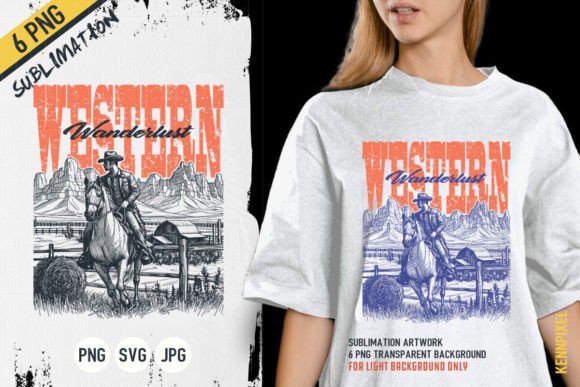
Western Wanderlust Cowboy Rodeo Vintage Design Review
As an embroidery designer who's tested countless digital files for real-world use, I'm always on the lookout for a design that balances visual charm with stitchability. Western Wanderlust Cowboy Rodeo Vintage caught my attention not just for its theme, but for how it translates into a usable and appealing machine embroidery design. Let’s dive into what this design brings to the table—and where it might need some extra care.
First Impressions: A Nostalgic Western Vibe
The moment I unzipped the file, I could tell this is a design made for storytelling. The layout features a mix of vintage western elements—spurs, cowboy boots, stars, and maybe even a silhouette or two—arranged in a cohesive way that feels both authentic and stylized. It’s clear this wasn’t thrown together; the shapes are well-structured and the overall composition has a nice flow. As someone who often works with T-shirt designs and graphics, I appreciate when a file doesn't just look good digitally but also hints at how it will translate into stitched form.
What stands out is the mood. This isn’t just a cowboy image—it evokes a sense of rugged adventure, nostalgia, and Americana. That kind of emotional resonance can be powerful when designing for custom apparel or personalized gifts. If you're looking to add character to a handmade product, especially one aimed at adults or themed around holidays or special events, this design has potential.
Real-Life Application: From Hoop to Product
I recently used Western Wanderlust Cowboy Rodeo Vintage on a custom sweatshirt order for a client planning a ranch-themed birthday party. The design was large enough to cover the chest area without feeling cramped, yet detailed enough to make a statement. The SVG format worked smoothly in Adobe Illustrator, which allowed me to tweak the placement and scale before exporting to my embroidery software. For those of you using printable mockups, the JPG and PNG files were high-res and gave a realistic preview of how the final embroidery would look on fabric.
One thing I noticed right away is that the design uses a combination of satin stitch and fill stitch areas. This gives it a rich texture that looks great up close but still maintains clarity from a distance. The lines are bold, and the shapes are clean, making it ideal for tote bag designs or aprons where you want something eye-catching but not overwhelming.
When considering commercial embroidery projects, I found the design to be versatile enough for small shop products like embroidered patches or baby items with a western twist. However, if you're aiming for frequent-wear pieces like daily t-shirts or activewear, be mindful of the stitching density. Dense areas may wear down over time, especially after repeated washing.
Where This Design Shines
- Custom Apparel: Perfect for creating standout sweatshirts or jackets with a western flair.
- Tote Bag Design: The high-resolution PNGs and vector scalability make this a strong candidate for printed or embroidered totes.
- Handmade Products: Whether it’s a pillow cover or a kitchen towel, this design adds a touch of authenticity that hobbyists and boutique owners love.
- Etsy Listings & Craft Fairs: The vintage aesthetic fits well in niche markets and can elevate your handmade product lineup.
- Holiday Embroidery: Especially for Fourth of July or Christmas gifts, this design can be reimagined with seasonal colors and accents.
Use With Caution: Small Spaces and Stretchy Fabrics
While this design is visually engaging, it’s not suited for every project. The intricate details and layered elements mean it needs room to breathe. In smaller hoop sizes, key features might get lost or distorted. I recommend confirming your hoop size before starting any embroidery project, especially if you plan to shrink the design significantly.
Also, keep in mind that the design includes some fine lines and decorative accents. These won’t hold up as well on stretchy fabrics like knits or thin materials such as cotton lawn. On textured or dark fabrics, the contrast between thread colors and the background might diminish unless you adjust the thread palette accordingly.
If you’re working on curved surfaces like caps or hats, be prepared to do some manual adjustments. While the SVG file is scalable, complex shapes don’t always adapt perfectly to non-flat surfaces. Always test on scrap fabric first and inspect the corners and edges closely after stitching.
Thread Colors and Fabric Backgrounds
Thread color selection plays a big role here. The original file likely assumes a light-colored background, so if you're stitching onto a darker fabric, consider using white or cream threads for better visibility. I suggest testing the design in black and white mockups to see how it holds up under different lighting conditions and fabric types.
For those interested in brand consistency, this design could work well as part of a broader collection of western-themed design assets. But remember, the stitch density and style should match your other projects to maintain a professional look across all finished products.
Design Value and Customer Appeal
From a customer perspective, this design makes a statement. People gravitate toward personalized gifts and custom apparel that feel unique and meaningful. The vintage cowboy theme taps into a classic American motif that many find appealing, especially for holiday gifts or wedding favors with a rustic edge.
However, the design’s complexity means it might not resonate with everyone. Some clients prefer simpler motifs or more modern interpretations of traditional themes. Still, for the right audience—especially in craft businesses or Etsy shops—this design can boost buyer engagement and increase the perceived value of your handmade product.
It’s also worth noting that the design’s personality lends itself well to giftability. Whether it’s a rodeo-themed baby item or a nostalgic patch for a retro-loving customer, Western Wanderlust Cowboy Rodeo Vintage has the charm to stand out in a sea of generic graphics.
Professional Insights for Embroidery Designers
- Test First: Always try the design on scrap fabric similar to your end product to check for tension issues or distortion.
- Review Stitch Density: Look for overly packed areas that could cause puckering or affect the overall look.
- Check Thread Contrast: Especially important for darker or patterned fabrics. Adjust thread colors for maximum visibility.
- Confirm Licensing: Before selling finished items or digital embroidery files, ensure you have the proper rights to use the design commercially.
- Inspect Details: Zoom in on the SVG file to see how tiny lettering or decorative elements behave when scaled down.
- Consider Stabilizer Needs: Given the detail level, a tear-away or cut-away stabilizer might be necessary depending on the fabric.
Final Thoughts for Creative Entrepreneurs
In the world of embroidery projects, finding the right balance between artistry and practicality is key. Western Wanderlust Cowboy Rodeo Vintage leans heavily on the artistic side, which is a strength—but it also requires thoughtful application to avoid common pitfalls. It’s not a one-size-fits-all solution, but when used appropriately, it can become a signature piece in your design portfolio.
This is one of those graphics that feels like it belongs in a boutique or a high-end Etsy listing. Its appeal lies in the story it tells and the craftsmanship it showcases. As a designer and reviewer, I’d say it’s a solid addition to your library of embroidery files, provided you take the time to understand how it behaves in various applications.
So whether you're planning a western-themed event, building a line of sweatshirt embroidery for your craft business, or simply looking for a memorable design to add to your next handmade product, give this one a test run. Just remember to adjust for fabric type, thread color, and stitch coverage to get the best results.