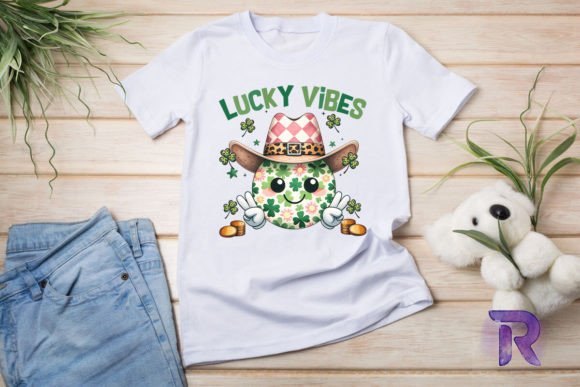
Lucky Vibes Cactus Cowboy PNG Review
As a designer who spends more time than I care to admit staring at stitch lines and debating thread color palettes, I approach every new machine embroidery design with a mix of excitement and skepticism. The market is saturated with clipart that looks great on a screen but falls apart under the needle. That is why I took a close look at the Lucky Vibes Cactus Cowboy PNG before committing it to my hoop. My goal was simple: determine if this Graphics asset from the T-Shirt Designs category actually holds up as a viable commercial product or if it belongs in the "nice idea, bad execution" folder.
First Impressions and Visual Personality
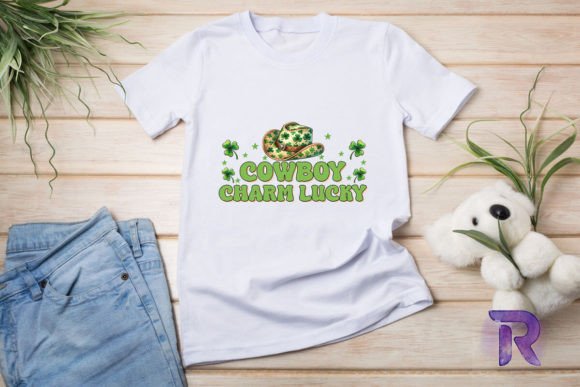
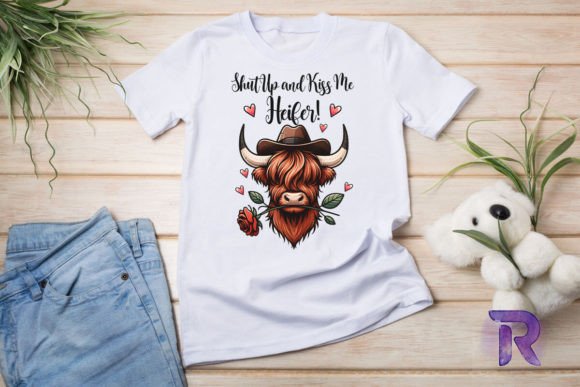
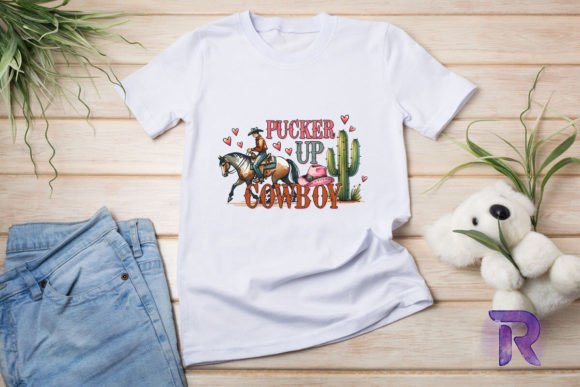
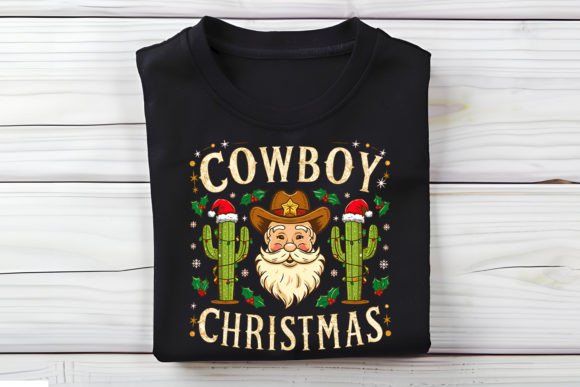
The moment you load the file, the vibe is unmistakable. It captures that specific intersection of desert cool and western charm that has been trending heavily in handmade circles. The composition feels balanced, avoiding the cluttered look that often plagues busy designs. For an embroiderer, this balance is critical because it dictates how the eye travels across the finished piece.
The visual personality here is playful yet grounded. It isn’t trying too hard to be cute, nor is it overly rugged. This makes it incredibly versatile. When I first laid out the digital mockup, I immediately saw this working as a centerpiece for a custom apparel line. The shapes are distinct enough to hold their form even when translated into thread, which is a major plus. However, like any good embroidery project, the success of this design hinges entirely on how well the details are interpreted during digitization.
Real-World Application: The Tote Bag Test
To truly evaluate this design, I stopped thinking about it as a static image and started thinking about it as a physical object. I imagined preparing a batch of canvas tote bags for a local craft fair. This is a classic scenario for an Etsy seller or small shop product owner. The question wasn't just "does it look good?" but "will customers perceive value in this?"
When placed centrally on a natural canvas bag, the Lucky Vibes Cactus Cowboy PNG commands attention without overwhelming the fabric. It feels like a handmade product that has been thoughtfully curated rather than mass-produced. The theme lends itself perfectly to personalized gifts, perhaps paired with a customer’s name stitched below in a complementary font. In this context, the design elevates a basic commodity into a boutique item. It suggests a lifestyle—relaxed, outdoorsy, and stylish—which is exactly what drives engagement in the craft business community.
I also considered its potential on heavier fabrics, such as a sweatshirt or a denim jacket. Here, the design would likely shine as a chest pocket accent or a full-back statement piece. The boldness of the cactus motif works well against textured fabrics, provided the stitching density is appropriate. It adds a layer of professionalism to commercial embroidery work, signaling to the buyer that the maker understands both aesthetics and construction.
Where Caution Is Required
Not every surface is created equal, and there are specific scenarios where this design requires careful handling. If you are planning to use this on a curved surface like a baseball cap, you need to be mindful of distortion. The straight lines of the cowboy hat or the vertical stems of the cactus can warp if the hooping isn’t precise. Always test on scrap fabric first to ensure the curvature doesn’t break the integrity of the shape.
Furthermore, consider the fabric texture. While this design might look crisp on smooth cotton, applying it to a highly textured bouclé or a thin, stretchy jersey could obscure the finer details. On dark fabric, the contrast becomes paramount. You will need to select high-visibility thread colors to ensure the design pops. If the underlying stitch density is too low, the base fabric may show through, ruining the clean look that makes this design appealing in the first place.
Another area to watch is small detail work. If the original graphic contains tiny text or intricate linework, verify that these elements translate well into satin stitches. Tiny details can become muddy blobs if the hoop size is too small or if the digitizer hasn’t accounted for thread pull. For products that require frequent washing, such as baby clothes or kitchen towels, ensure the design has adequate backing stabilizer to prevent puckering over time.
Practical Designer Notes for Execution
Before you rush to print hundreds of tags or list this on your shop, there are technical steps you must take. First, inspect the design in black and white. This helps you identify any weak areas in the composition that rely solely on color to make sense. A strong embroidery file should have clear negative space and defined boundaries regardless of color.
Review the stitch types closely. Does the design utilize a mix of satin stitch for outlines, fill stitch for body mass, and perhaps a running stitch for delicate accents? A variety of stitches adds depth and realism to the final piece. If the design is purely fill, it might lack the polish expected by discerning buyers. Also, confirm whether this is intended as an applique design or a standard stitch-out. If applique is required, you will need to plan your fabric cuts accordingly, which adds complexity to your production workflow.
Testing is non-negotiable. Run the design on the actual fabric you intend to sell. Check the stabilizer choice; tear-away might not suffice for heavy items like tote bags, while cut-away is safer for stretchy knits. Evaluate the thread colors under different lighting conditions. Sometimes a color that looks vibrant on your monitor appears dull in person. Adjust your palette if necessary to maintain brand consistency.
Final Verdict on Value and Appeal
Ultimately, the Lucky Vibes Cactus Cowboy PNG succeeds because it taps into a recognizable aesthetic while remaining adaptable. It is not a niche novelty; it is a broad-appeal design that fits seamlessly into holiday embroidery collections, summer gift guides, and everyday wearables. For the creative entrepreneur, this means higher conversion rates and broader market reach.
It enhances customer trust by looking professional and well-executed. When a buyer sees a clean, well-centered design on a quality garment, they assume the entire product is high-quality. This perception allows you to command better prices and build a loyal following. Whether you are creating personalized gifts for weddings or stocking shelves with boutique branding items, this design offers a solid foundation.
However, remember that the design is only half the battle. Your skill in digitizing, hooping, and finishing determines the final outcome. Use this as a tool to showcase your craftsmanship, not replace it. Ensure you have verified the licensing terms for commercial embroidery use before selling finished goods. If the license permits, this asset has the potential to become a staple in your repertoire, driving sales for digital product sellers and makers alike. Just keep testing, stay observant, and let the quality of your work speak for itself.