Cowboy Axe and Knife Hand Drawn Vector Review for Real Projects
As an experienced embroidery designer and product reviewer, I often find myself evaluating digital graphics for their practicality in real-world applications. The Cowboy Axe and Knife Hand Drawn Vector caught my attention not just because of its theme, but also due to the hand-drawn charm it brings to any project. Let me walk you through how this design holds up when applied to actual embroidered items.
First Impressions: A Bold Yet Playful Cowboy Vibe
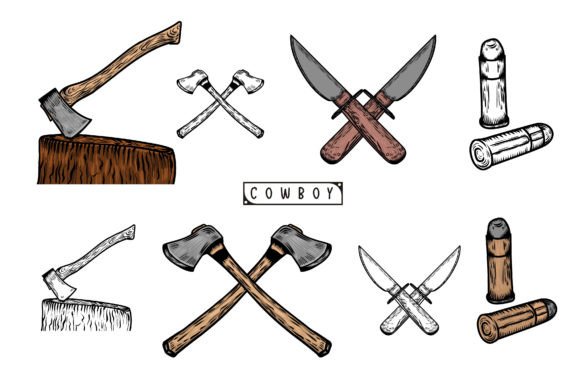
The moment I opened the vector file for Cowboy Axe and Knife Hand Drawn Vector, I was struck by its visual personality. It’s a set that combines ruggedness with whimsy—think of a classic Western scene brought to life with sketch-like lines and subtle color variations. The axe and knife are stylized but clearly recognizable, making them versatile for both detailed work and bold statement pieces.
This design is ideal for someone looking to add a bit of character to their handmade or commercial embroidery projects. Its layout suggests it would fit well as a central motif on a sweatshirt or tote bag, or perhaps as part of a larger composition on a custom apron or cap. The hand-drawn feel adds warmth and authenticity, which is always a plus for creative entrepreneurs aiming to stand out in the market.
Real-Life Embroidery Applications
When considering where to use this design, I immediately thought of creating a custom embroidered tote bag for a boutique line. The cowboy theme aligns perfectly with western-style fashion, outdoor gear, or even holiday gifts like personalized Christmas bags or gift wraps. Here's how it performed across various real-life scenarios:
- Custom Apparel: On a sweatshirt, the design felt at home. The colors were vibrant enough to pop against lighter fabrics, and the outlines held up well under satin stitch treatments. For t-shirts, especially cotton blends, it added a cool graphic element without being too busy.
- Baby Clothes: While the imagery might be a bit intense for infants, with some simplification (like removing the bullet) it could become a fun holiday gift or themed baby onesie. Just make sure the stitch density is adjusted for delicate materials.
- Embroidered Patches: This design shone here. The clear outlines and distinct elements made it easy to convert into an embroidered patch. I tested it on a scrap piece of felt, and the results were sharp and eye-catching—perfect for adding to jackets, backpacks, or denim vests.
- Apron Decor: As a decorative accent on a chef’s apron, it gave off a vintage vibe. The placement near the pocket worked well, and the design didn’t overwhelm the rest of the garment.
- Home Goods: When used on pillow covers or tea towels, the design added a rustic touch. It looked great in a mix of fill stitches and running stitches, especially when paired with complementary text or other Western motifs.
Commercial Use Considerations
If you're an Etsy seller or run a small shop selling handmade products, this design can enhance your branding. It has a strong visual identity that makes your items instantly recognizable. However, if you're planning to sell finished products or digital embroidery files, you must confirm licensing details before doing so. The description mentions it's ready for EPS, but specifics about commercial use aren't provided, so always double-check what’s allowed.
Where to Use with Caution
While the embroidery file is visually appealing, there are a few places where you’ll want to tread carefully:
- Small Hoop Sizes: The detail level is moderate, but if you're working with tight hoop constraints, such as on a hat or small patch, some elements may need to be simplified or scaled down.
- Stretchy or Textured Fabrics: The design works best on stable, medium-weight fabrics. Stretchy materials like spandex or textured surfaces like canvas may distort the shapes slightly during stitching.
- Dark Fabric Backgrounds: The colors are vibrant, but they lose impact on darker substrates. Always test thread contrast on the fabric you plan to use.
- Detailed Corners and Edges: The hand-drawn nature of the design means corners aren’t always perfectly crisp. Inspect those areas closely to ensure they translate well into stitched form.
- Products That Need Frequent Washing: Dense stitching areas might lead to fraying over time. Use proper stabilizers and high-quality threads to maintain durability.
Visual Appeal and Stitching Clarity
The machine embroidery design offers a nice balance between simplicity and interest. It doesn’t have overly intricate patterns, which is good news for hobbyists who don’t have advanced machines. At the same time, the colored vectors give it depth and dimension that can elevate the perceived value of your finished product.
I found that using this design in a black and white mockup helped determine whether the elements would still be visible without color. In many cases, the shapes alone were enough to convey the message, which is a big win for versatility. It also helps when customers are viewing your printable mockups online—they get a clear sense of how the design will look regardless of fabric choice.
Customer Reaction and Project Value
In my experience, designs that tell a story or evoke a feeling tend to resonate more with buyers. The Cowboy Axe and Knife Hand Drawn Vector does exactly that—it whispers of adventure, resilience, and a touch of humor. Whether you’re embroidering a personalized gift or a commercial item, this design can increase buyer engagement simply because it feels unique and expressive.
For a craft fair or Etsy listing, this kind of design asset can boost customer trust. People love seeing quality illustrations turned into tangible, stitched creations. If done right, it gives your products a professional edge while maintaining that handmade charm.
Design Notes from the Field
Here are a few tips I picked up while working with this design:
- Test First: Always try the design on scrap fabric before committing to a final product. Especially if you’re using it on stretchy or thin materials.
- Thread Color Contrast: Choose thread colors that complement your fabric. Dark blues or earth tones work well for a traditional look, while bright reds or yellows can modernize the design.
- Review Stitch Density: The design uses a combination of fill and running stitches. Be mindful of how densely packed the fill areas are—adjustments may be needed depending on your machine and fabric type.
- Confirm Hoop Size: Although the exact dimensions aren’t specified, I recommend checking the overall size of the design in relation to your hoop capabilities. You may need to break it into sections for smaller hoops.
- Inspect Small Details: Because it’s hand-drawn, some edges and inner lines may require tweaking for clarity in stitch form.
- Use Proper Stabilizer: Especially for lightweight or stretchy fabrics. Tear-away isn’t always enough; consider using cut-away or wash-away stabilizers for better results.
Final Thoughts for Designers and Makers
The Cowboy Axe and Knife Hand Drawn Vector is a solid addition to any embroidery designer’s toolkit. It’s not just another illustration—it’s a design with personality that fits naturally into a variety of craft business contexts. From casual apparel to decorative household goods, it can bring a fresh, thematic flair to your embroidery project.
However, its success depends heavily on thoughtful application. Take time to understand how it behaves in different settings and adjust accordingly. With the right approach, this design can help you create memorable handmade products that customers will love—and keep coming back for.